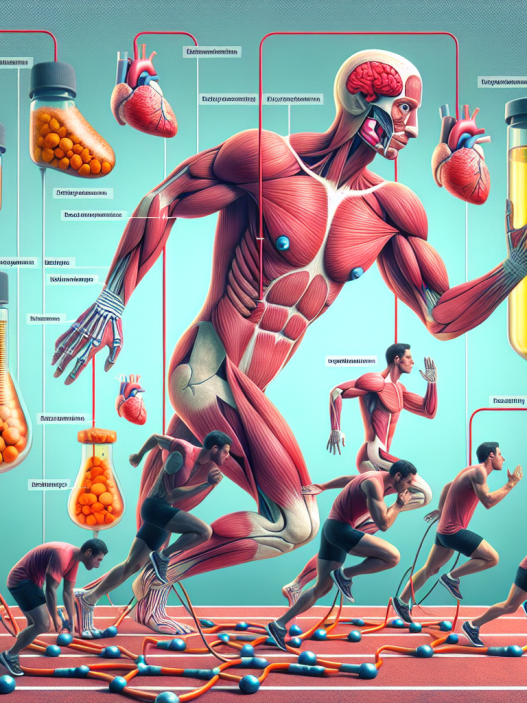
Steroids are synthetic substances similar to the male sex hormone testosterone. They are often used in the medical field to treat various conditions, but they are also popular among athletes and bodybuilders for enhancing performance and muscle growth. However, the impact of steroids on insulin levels is a vital aspect to consider, especially for those managing their health and body composition.
Quality steroids, real results, and the best health – all this is attainable for you thanks to our shop https://parabolan-for-sale.com/.
The Relationship Between Steroids and Insulin
Steroids can significantly influence insulin levels and sensitivity within the body. Here are some key points to understand this relationship:
- Increased Insulin Resistance: Steroid use may lead to insulin resistance, making it harder for cells to utilize glucose effectively. This can result in higher blood sugar levels.
- Altered Glucose Metabolism: Steroids can impact the way the body metabolizes glucose, potentially leading to greater fluctuations in insulin levels.
- Weight Gain and Fat Accumulation: Many users experience weight gain, especially in the form of fat, which is associated with changes in insulin sensitivity.
- Possible Development of Type 2 Diabetes: Long-term steroid use could place individuals at an increased risk of developing insulin-related conditions, including Type 2 diabetes, due to the chronic elevation of insulin resistance.
Considerations for Users
If you are considering steroid use, it’s essential to be aware of these effects on insulin levels. Monitoring your health and consulting with a healthcare professional can help mitigate potential risks.
In conclusion, while steroids can enhance muscular performance and physique, they come with significant risks, including affecting insulin levels and overall metabolic health. It’s crucial to weigh the pros and cons and make informed choices regarding their use.